Do Whirlybirds Actually Work? An Honest Look for Perth Homeowners
You know that suffocating feeling of walking into your home after work and realizing it’s hotter inside than it is outside. It is a common frustration here in Perth, especially when the summer sun has been beating down on your roof tiles all day. We see whirlybirds spinning on rooftops from Joondalup to Rockingham, but many homeowners still wonder if these metal turbines are actually doing anything or just spinning in the wind.
The short answer is yes, they work, but they are not a magic bullet.
We have spent years analyzing roof ventilation systems across Western Australia, and the data is clear. This article breaks down exactly how whirlybirds perform in our specific climate, the real temperature differences you can expect, and why the color of your roof might force you to change your installation strategy.
How Whirlybirds Work (The Science vs. The Hype)
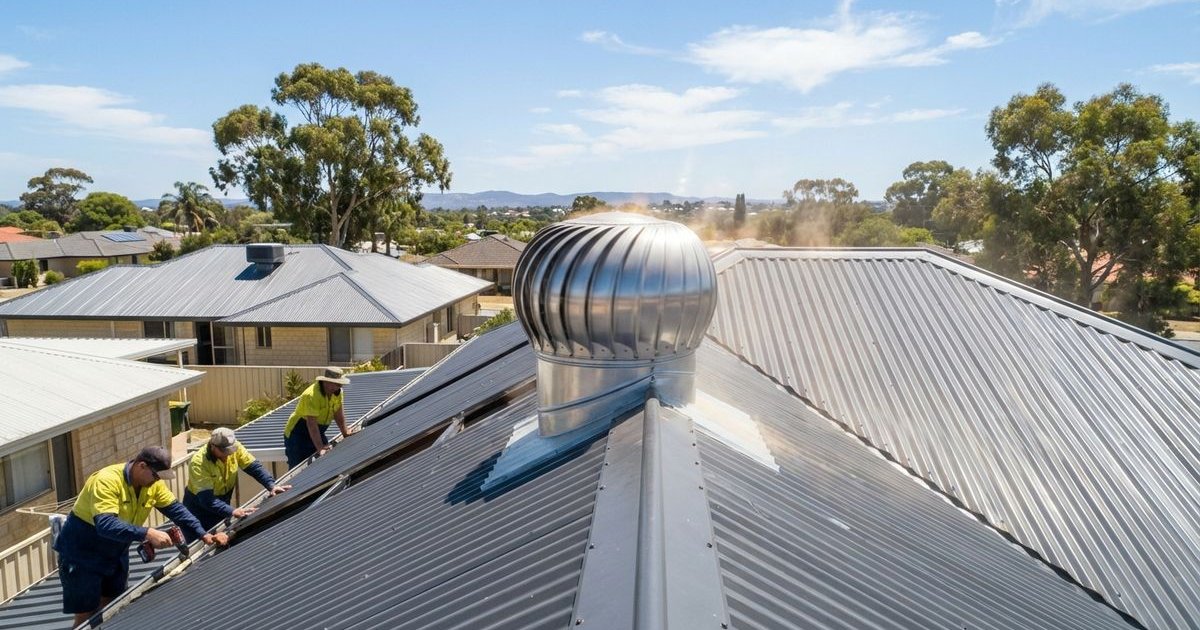
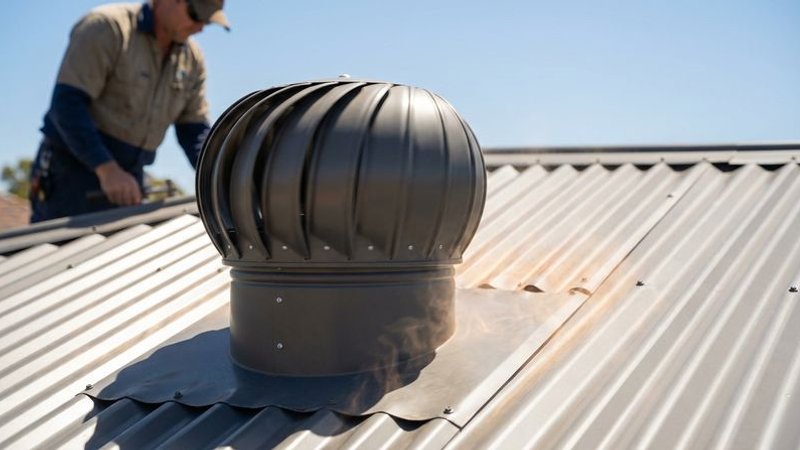
A whirlybird is technically known as a turbine ventilator. It operates on two simple physical principles: wind propulsion and the stack effect. As the wind catches the fins, the turbine spins, creating a vacuum that sucks air out of the roof cavity.
The physics behind this is reliable:
- Thermal Buoyancy: Hot air naturally rises and gets trapped at the highest point of your roof structure.
- Centrifugal Force: The spinning turbine creates a low-pressure zone, forcefully expelling that trapped heat.
- Continuous Cycle: As hot air leaves, cooler ambient air is drawn in through eaves or soffit vents to replace it.
We often explain to clients that a static roof acts like a lid on a pot of boiling water. A whirlybird is essentially lifting that lid to let the steam escape.
The Bearing Factor
Not all turbines are built the same. Standard units typically use simple steel ball bearings, which work well initially but can rust and seize in our coastal salt air. Premium models, like those from CSR Edmonds, often use double-row ball bearings or polymer equivalents designed to withstand the “Fremantle Doctor” winds without developing that annoying squeak neighbors complain about.
Real Temperature Reduction in Perth
Perth presents a unique challenge because of our high UV index and long stretches of days over 35 degrees Celsius. In an unventilated roof cavity with dark tiles (a popular trend in the Northern Suburbs), temperatures can easily soar past 60 or even 70 degrees Celsius.
Industry testing and local site assessments indicate specific results:
- Cavity Temperature Drop: Effective ventilation can lower the roof space temperature by 10 to 20 degrees Celsius.
- Living Space Impact: This reduction in the roof prevents heat from radiating down through the ceiling, typically lowering internal room temperatures by 3 to 5 degrees.
- AC Efficiency: A cooler roof space means your air conditioning ducts (which often run through the ceiling) aren’t fighting extreme heat, potentially improving system efficiency by up to 10-15%.
For homes in areas like Malaga or Wangara where heat radiates off industrial concrete nearby, this reduction is even more critical. Lowering the ambient temperature of the roof void protects your electrical wiring and prevents your insulation from becoming heat-saturated.
How Many Whirlybirds Does Your Perth Home Need?
One of the most common mistakes is under-estimating the number of units required. Installing a single whirlybird on a 4x2 family home is like trying to cool an oven by cracking the door an inch.
We use a calculation based on airflow displacement to determine the right setup.
The Roof Colour Multiplier
Darker roofs absorb significantly more solar radiation than lighter Colorbond or clay tiles. If you have a dark grey or black roof (Charcoal, Monument, or similar), you need to increase your ventilation capacity by roughly 30%.
Recommended Installation Ratios:
| Home Size | Roof Area (Approx) | Light/Medium Roof | Dark Roof |
|---|---|---|---|
| Small | Up to 100m² | 1-2 Units | 2 Units |
| Medium | 100m² - 180m² | 2-3 Units | 3-4 Units |
| Large | 200m² + | 4-5 Units | 5-6 Units |
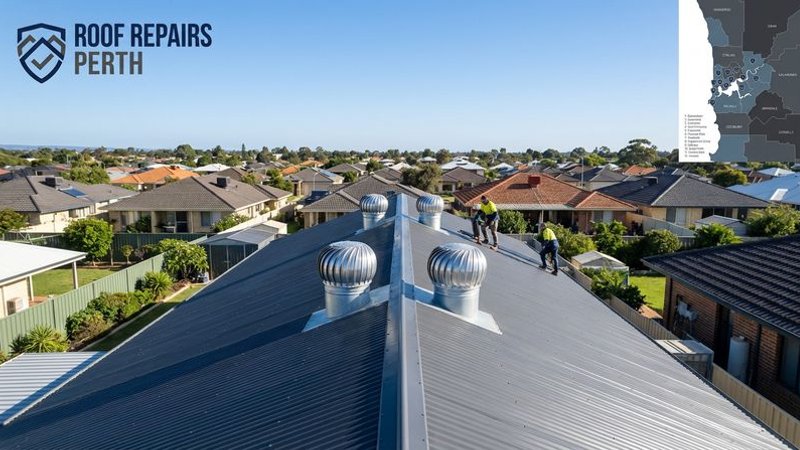
Placement is just as critical as quantity. The units must be positioned near the ridge line (the highest point) and, crucially, you must have intake vents in your eaves. Without intake vents, the whirlybird is trying to suck air from a sealed box, which drastically reduces airflow and can even pull conditioned air from inside your house through ceiling light fittings.
The Pros of Whirlybirds
There is a reason these devices remain the standard for WA builders. Beyond just heat reduction, they offer several practical benefits for local properties:
- Zero Operating Costs: They run entirely on wind energy.
- Moisture Management: In winter, Perth homes are prone to condensation. Whirlybirds remove moist air, preventing mold growth on ceilings and protecting timber frames from rot.
- Colorbond Compatibility: Modern units come in the full range of Colorbond colours (e.g., Surfmist, Woodland Grey), allowing them to blend seamlessly with your roof aesthetics.
- Weather Resistance: High-quality units are rated for wind speeds up to 200km/h, making them safe during severe winter storms.
The Cons and Limitations
Honesty is vital when discussing roof ventilation. Whirlybirds are passive devices, meaning their performance is directly tied to the weather conditions.
Key limitations include:
- Wind Dependency: On a scorching 42-degree day with absolutely zero wind, a standard whirlybird’s performance drops significantly.
- Debris Accumulation: Leaves and dust can sometimes gather around the base unit if not cleaned, though this is rare on steeper pitches.
- Bushfire Zones: If you live in a BAL (Bushfire Attack Level) zone near the Perth Hills or heavy bushland, you are legally required to use whirlybirds equipped with stainless steel ember guards to prevent sparks from entering the roof cavity.
Whirlybirds vs. Powered Ventilation
Some homeowners ask if they should upgrade to mains-powered or solar-powered roof fans. While whirlybirds are excellent for general maintenance, powered units are the “heavy artillery” of ventilation.
A standard 300mm whirlybird moves approximately 100 to 300 cubic metres of air per hour depending on wind speed. In comparison, a quality solar roof fan (like the Solar Star or similar) can move 1,000 to 3,000 cubic metres per hour.
Quick Comparison Guide:
| Feature | Standard Whirlybird | Solar/Powered Vent |
|---|---|---|
| Airflow Capacity | Low to Medium | High to Extreme |
| Cost | Low ($) | High ($$$) |
| Noise | Silent (if maintained) | Low Hum |
| Best Application | Standard Residential | Large Homes / Dark Roofs |
We generally suggest that if budget permits, a solar vent is superior for large, dark-roofed homes. However, for the average 3-bedroom home in Perth with a standard pitch, a set of high-quality whirlybirds offers a better return on investment.
Should You Install Whirlybirds on Your Perth Home?
If your home currently has no roof ventilation, adding whirlybirds is one of the most cost-effective upgrades you can make to improve comfort and protect your asset. The combination of our consistent afternoon sea breezes and high summer temperatures makes Perth the ideal environment for this technology.
Success comes down to the details: choosing a quality brand with sealed bearings, matching the unit count to your roof colour and size, and ensuring you have sufficient eave vents for intake.
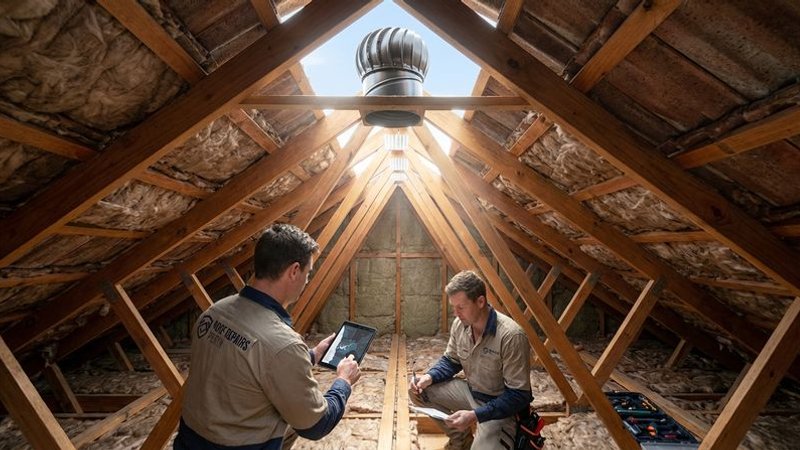
Our team specializes in assessing these specific variables during our comprehensive roof maintenance checks. We can inspect your current ventilation, check for rust or bearing failure in existing units, and map out a ventilation plan that actually makes a difference to your thermostat.
Contact us today to discuss how we can help your home “breathe” better before the next heatwave hits.
Need Help with Your Roof?
Get a free inspection and quote from Perth's trusted roof repair specialists. No call-out fee.